
Michelle Vesser has been an End-of-Life Doula since 2017. She leads “Living into Dying” Retreats to groups to explore and transform our relationship with death. This essay of Michelle’s personal experiences with death, along with her instructions on how to provide bedside support at the time of dying and death, was originally written for the 2023 Northern California Womens Herbal Symposium. We republish it here with the author’s blessing.
My journey into the sacredness of death
By Michelle Vesser, End-of-Life Doula
web: www.everythingsacred.co
It’s an extraordinary journey to come to the end of life. Instead of regarding it as something to fear or a failure, what if we were able to shift our perspective and regard death as something sacred? It is an individual matter. There’s no right way to face death, yet what if we could meet our dying process and death with deep grace and reverence?
Coming to the sacredness of dying and death have been a process in my life. Death was a complicated matter in my early life; influenced by ancestral tragedy, my father’s WWII graphic experiences and personal deaths in my youth. The first profound death occurred when I was 17. I had no tools to meet this loss. Randy was like a brother to me and the first person that showed me unconditional love. He was killed in a car accident while traveling in Canada at 23. No one in our circle of family and friends knew how to emotionally support our community. Both the adults and all the kids were alone in their own confusion and grief. It has been both a trauma and the inspiration for me. It led me to find more tools to understand and be present with death.
My first exposure to death’s alternative possibilities happened when I lived in the Philippines as a Peace Corps Volunteer in 1983-1985. Death is held so differently there. They have photo albums with their dead family members. I found myself taking many of those pictures during my time there. Then a close friend took her life in the community I lived in. It was an intimate education. The men stayed up all night taking down a tree and building the casket, while the women stayed inside cooking and taking turns keening by the bed side. We were all present in love and care for her body.
Then in 1999, back in the U.S., a friend was killed when a tree fell on him, his partner and friends tended him at home, washed him, covered him with flowers and after a 3 day vigil, drove him to the crematorium. I had not realized this was possible in the U.S. It inspired me to find more information about alternative death care. That is when I found Final Passages – an organization in Sebastopol, CA that educates about Family-Directed Funerals.
I am grateful to have leaned into death and took my 17-year-old to these amazing mystery schools. I have received Tibetan Phowa and Zhitro practices, attended trainings with Jerrigrace Lyons at Final Passages and Bobbi Bryant’s and Dr. Charlotte Charfen’s Inspired Endings. I now offer my services as End of Life Doula and Home Funeral Guide. It has been a deep blessing to tend to my End of Life clients and a gift of gifts to be with my father during his dying process in 2021.
Ways to support at the Bedside
Before Death comes:
- Take time to check in with your inner landscape and clear your emotional body each time you are going to the bedside. .
- Know each person and care team is unique – come with an open heart and curiosity to discover what is supportive
- Bring presence and ease
- You are a sacred ear – a neutral person they can share their life stories with
- Create beauty. Clear any clutter
- Let them know their rights; to take care of loved ones at home, no requirements to embalm, green burials, caskets or no casket, life support, MAID, VSED etc.
- Fill out an Advance Directive together. It is a gift to you and your loved ones to make decisions about how you want to be treated and tended before and after death. You can do this simply by writing it down or using tools like Five Wishes or other medical advance directives.
- Inquire about their wishes and what has meaning to them.
- Be creative in making their wishes happen
- Support them in writing letters to friends and loved ones – which allows space for them to share more of their stories
- Offer massage
- Having children come to the bedside
- If there’s a family pet, consider letting it be a part of the space and to be with the dying person – especially when they begin to actively die.
- Sing, play music they like
- Sit is sacred silence
- Step out of the room when you feel uncomfortable. While emotions and feelings of grief are valid, make sure not to make emotions about you. Take the time to tend to yourself and come back into the space
As death approaches:
- Holding of sacred space of death – as people come and go – keep inner connection with the light.
- Be the gate keeper for their dying wishes
- Keeping the focus of conversation on the dying person within their space
- Create an opportunities to sit vigil
- Know the signs of the body closing down – breath, color, slowing of movement
- A time will come when getting up is not longs an option and food needs to stop
- Be patient – we never know when death comes
After death:
- Death is not an emergency – After the loved one has died, there shouldn’t be a rush to call the funeral home. Take some time to be silent and just be in the sacred moment of the passing. Many find this to be a profoundly meaningful and healing time.
Know Your Rights
There is so much we don’t know about our rights around death and disposition. Disposition – the manner in which human remains are finally handled; cremation, burial, natural organic reduction (human composting)or alkaline hydrolysis.
Home Death Care – it is our right to care for our loved ones and friends at home. It is not required by law to have a funeral home or director prepare the body. You can provide a casket and make arrangements directly with a cemetery or crematory.
Human remains may be kept at home without embalming or refrigeration until disposition. Generally,decomposition will proceed more rapidly without refrigeration. You can use dry ice or Cooler Shook.
If you do choose home death care, you must:
Work with a funeral home to file the Death Certificate and make arrangements.
It is legal in California to file your own paper work (however, it is not always possible or easily done in certain counties) to:
- File a properly completed Certificate of Death, signed by the attending physician or coroner, with the local registrar of births and deaths.
- Obtain a Permit for Disposition from the local registrar of births and deaths.
- Provide a casket or other suitable container.
- Make arrangements directly with the cemetery or crematory.
Embalming – There is no law requiring embalming. Dry ice can be used if disposition is longer that 24 hours.
Cremation – The law does not require the purchase of a casket before cremation. You can purchase acardboard casket (A combustible cremation container is required.
Natural Organic Reduction/Recompose – utilizes the principles of nature to compost and return bodies to the land, sequestering carbon and improving the health of our natural surroundings. Now available in Washington, Oregon, and Colorado. It is legal and in process to get regulations in place in Vermont, California, New York, Nevada, Arizona, Maryland, Delaware, Maine, Minnesota, Georgia, and New Jersey.
Alkaline Hydrolysis/Aquamation – is chemical process that uses a solution of 95% water and 5% potassium hydroxide or sodium hydroxide to reduce a body to components of liquid and bone. It is now legal in 19 states including California.
Burial – The law does not require outer burial containers, commonly known as vaults or grave liners.Cemeteries may require them because they keep the ground from settling after burial. Vaults completely surround the casket in concrete
Natural burial – also referred to as green burial, is a way of caring for the dead with minimal environmental impact, this includes forgoing embalming, skipping concrete vaults, rethinking burial containers and maintaining and protecting natural habitat. Wicker basket, sustainable cardboard or wood caskets, ornatural shrouds are options.
What Are My Choices Regarding Life Support?
All life support measures are optional treatments. The decision to refuse life support is a personal one.Life support replaces or supports a failing bodily function. In treatable or curable conditions, life support is used temporarily until the body can resume normal functioning. However, in situations where a cure is not possible, life support may prolong suffering , the dying process, and diminish a person’s quality of life.
Commonly used life support terms
Nutrition and hydration Liquid nutrition and hydrating fluids may be given into the gut (tube feeding) or directly into the bloodstream (intravenous feeding) until the patient can eat and drink again. Althoughpotentially valuable and lifesaving in some situations, nutrition and hydration do not make dying patients more comfortable. Scientific evidence shows that patients can die comfortably without nutrition or hydration.
Tube feeding is a chemically balanced mix of nutrients and fluids given through a feeding tube. Mostcommonly, this tube is inserted into the stomach through the nose or through the wall of the abdomen.
Intravenous (IV) feedings are given to patients who are unable to receive tube feedings. As with tube feedings, the IV feeding provides the patient with the needed amount of protein, carbohydrate, fat, vitamins, and minerals.
Cardiopulmonary resuscitation (CPR) is used when someone’s heart and/or breathing stops. This is anemergency procedure consisting of chest compressions. CPR attempts to restart these functions.
Defibrillation is carefully controlled electric shock, administered either through a device on the exterior of the chest wall or directly to the exposed heart muscle, to normalize the rhythm of the heart or restart it.
Do-not- resuscitation order (DNR) If you or your loved ones do not wish to receive CPR, you can fill out a do-not -resuscitation (DNR) order in the chart and have it hung on your kitchen refrigerator. A person with a valid DNR order will not be given CPR under these circumstances. Remember: Do not attemptresuscitation does not mean do not treat. Patients have the right to receive any and all treatments that are offered by the physicians caring for them. This order can be changed at any time for any reason.
Mechanical ventilation (MV) is used to support or replace the function of the lungs. A machine called a ventilator (or respirator) forces air into the lungs through a tube inserted into the mouth and down into the windpipe. This breathing support may be used for a short time or it may be needed indefinitely for permanent lung disease or trauma to the brain. Some patients on long-term MV live a quality of life that is acceptable to them. For other patients, MV may only prolong the dying process.
Dialysis does the work of the kidneys, which remove waste from the blood and manage fluid levels. This procedure requires a special type of IV that is inserted into a large central vein. Blood circulates from the body through the dialysis machine, where it is filtered and then returned to the body. Some people maylive on dialysis for years, but dialysis for the chronically ill/dying patient may only prolong the dying process.
A Pacemaker is a device that produces a low electrical current that stimulates the heart muscle to beat. The heart may be paced temporarily until healing occurs. A surgical procedure to insert a permanent pacer may be required for chronic problems. Patients with incurable heart disease may choose to refuse a pacemaker.
Vasopressors are powerful drugs that cause the blood pressure to rise when it is too low. This therapy is only given in the ICU and requires a special type of IV that is inserted into a large central vein.
Palliative care focuses on reducing the severity of disease symptoms, with the ultimate goal of relieving suffering and improving the quality of life for patients with serious illnesses. Palliative care is not the sameas hospice care. Patients receiving palliative care have no restrictions on other forms of medical therapy, including life support.
Hospice care focuses on treating the symptoms of illness when cure is not possible and involves the physical, psychological, and spiritual needs of the patient. The goal is to achieve the best quality of life available by relieving suffering, controlling pain, and achieving maximum independence.
End of Life Doula provide holistic non-medical physical, emotional and spiritual support for those facing a terminal illness as well as for their families. This patient centered care is based on the values and goals ofthe patient as well as what is spiritually and culturally significant.
Tending your loved one at home
Death is not an Emergency – After death everyone take a deep breath. This is sacred time to be with the body and spirit of your loved one. There is no need to rush into anything. This is your time to slow down and rest in the moment.
After someone has died, family and friends may want to take time to reflect and say some final good-byes. It is important to try to provide the time and space for everyone according to their needs..
Regardless of whether the person died at home or in hospital, hospice or nursing home, you can take timeto wash the body. It does not have to be done right away, especially if they died in the night.
Rigor mortis will set in two to four hours after death . This is a time when the muscles of the body contract and become rigid. The muscles remain in rigor until the muscle proteins decrease about 15 to 25 hours later,
Before rigor sets in, it is helpful to:
- Elevate the upper part of the body with pillows or by raising the hospital bed slightly. This allows the blood to pool in the back body vs. ears and neck.
- Close eyes if that is important to you — using your fingertips or a soft cloth gently bring eye lids down until they close or placing an eye pillow over the eyes.
- Close mouth — Elevating the head helps. Wrap an ace bandage or scarf under the chin andaround the top of the head to hold the mouth closed. This can be removed after rigor mortis sets in. (They may open slightly over time.)
- Cool the room and take any heavy blankets off.
Prepare room:
- Remove hospital equipment and other clutter in the room
- Create a gentle loving space, Hang fabric, music, candles, soft light
- Personalize the surroundings – arrange pictures, make an altar, bring in flowers
Washing, dressing , and creating a place to rest
Washing and dressing the body is an act of intimacy and beautiful way to honor this body that has held the spirit of your loved one. Take the time to create ceremony with friends and family that feelcomfortable being present. It is helpful to have 4 to 6 people present. Cleaning can be done in a bed, although it is easier if on a massage table for height and movability. Place a clean absorbent, water-proof pad under the body.
What you need to prepare:
- Water proof pad or plastic cloth
- Large bowl for warm water
- Essential oils
- Small table for water bowl
- Wash cloths
- Towels
- Pillows to adjust head and arms
- Q-tips and cotton balls
- Shampoo, brush, comb
- Make up, lotion
- Trash bag
- Gloves
- Backboard or sheet
- Fabric for beautification
- Change of clothes or shroud
Creating Ceremony
- Circle around your loved one
- Offer an invocation with chimes or singing bowls
- Open the space for sharing
- Add a few drops of essential oil of their liking and liquid soap to the warm water
Washing the body
- With a wash cloth gently wash the face, legs, arms, hands and feet. Pat dry
- Clean orifices – Bowels or bladder may release at death
- Carefully turn the body to clean the backside, making sure to support the head. (It is helpful to place the arm and leg over the body to make turning easier)
- Wash hair if needed – there are dry shampoos or you can set up a bucket to catch the water.
Dressing the body
Have cloths that are loose fitting, or cover with a shroud. You may need to cut the clothing down the back to make it easier.
Beautify the body
- Select beautiful fabric to cover the bed/massage table.
- Can cover with personal blanket or fabric, place flowers or memorabilia
Cooling the body
If keeping a loved one home for an extended period (more than 24 hours)
- Place dry ice (never touch directly with your hands) in paper bags or use Cooler Shock or Techni ice. (Keep dry ice in ice chest on tile or concrete)
- Set ice under body in a folded towel and then another layer of insulation fabric. Important to place1 piece under lungs, 1 piece under the belly and another on top of the chest.
Create gratitude circle
Re-gather and offer blessings for this sacred time
Touchstone Practice after Death
Inspired by Zhitro Practice and Tibetan Book of Living and Dying (Suggested to practice for 7 weeks, once a week on the day someone died)
Take several deep breaths and settle into yourself.
Now take several more deep breaths and focus on your heart.
In the sky in front of you visualize your loved one (name). Imagine a form of pure golden light surrounding them, whose presence is the embodiment of the truth, wisdom and compassion.
Feel your heart with this presence and trust that they are with you. may all of (Your loved one’s (name) gifts to the world be honored and held in grace.
Focusing your heart, mind and soul, pray:
Through my blessing, grace and guidance, and through the power of light that streams from you, may all of your loved one’s (Name) gifts to the world be honored and held in grace.
May any negative or destructive emotions, obscurations and blockages be purified and removed.
May they know themselves forgiven for all the harm they may have thought and done. And through the triumph of their death, may they be able to benefit all other beings. Take some time now to see them clearing anything unfinished in this life.
See and feel that they are totally immersed in the divine light of infinite love. Imagine that the presence of this light is so moved by your sincere and heartfelt prayer that it fills your loved one’s (Name) spirit, releasing and purifying their life on earth.
See them now as completely purified and healed by the light streaming from the presence. Consider theirbody fully dissolved into light and in the state of oneness with the presence of this light.
Rest here. Offer thanks
Poem
To love someone long-term
is to attend a thousand funerals of the people they used to be.
The people they’re too exhausted to be any longer.
The people they grew out of,
the people they never ended up growing into.
We so badly want the people we love to get their spark back when it burns out, to become speedily found when they are lost.
But it is not our job to hold anyone accountable to the people they used to be.
It is our job to travel with them between each version and to honor what emerges along the way.
Sometimes it will be an even more luminescent flame.
Sometimes it will be a flicker that temporarily floods the room with a perfect and necessary darkness.
~ Heidi Priebe
Resources:
Everything Sacred – https://www.everythingsacred.co
Final Passages – https://finalpassages.org
Inspired Endings – https://inspiredendings.org
Tara Mandala Zhitro practice – https://www.taramandala.org
Transitional Life Care – : https://www.tlcserves.org/
Vajrayana Buddhist education and support program the end of life transition
About the Author:
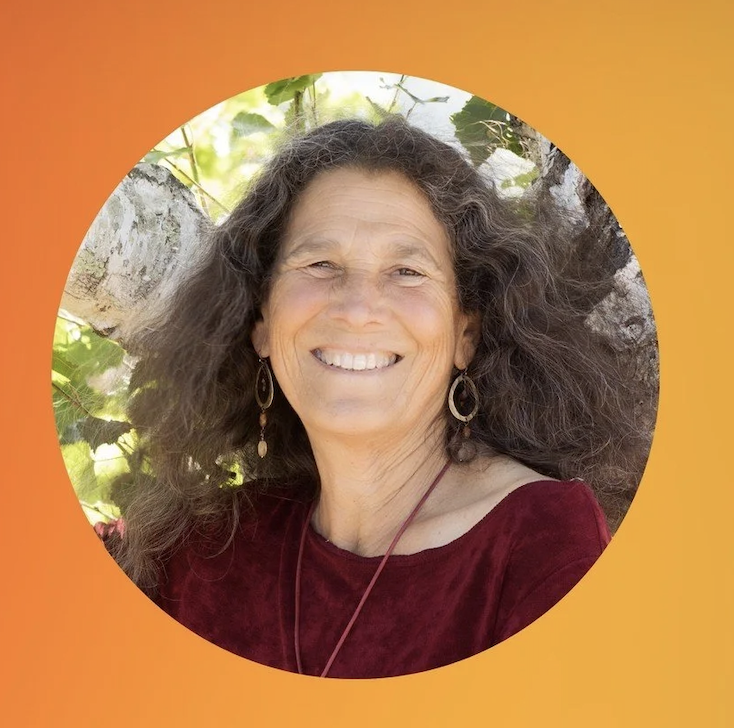
Michelle Vesser has been an End of Life Doula since 2017. She brings many of her experiences into this sacred transition. It is an honor to transform the experience of death and lose into an honoring of ones life. She supports the whole family/friend community in the journey. Michelle is now offering Living into Dying Retreats to groups to explore and transform our relationship with death.